
Lymphoma Symptoms and Diagnosis: NPL’s Diagnostic Guide
3 months ago
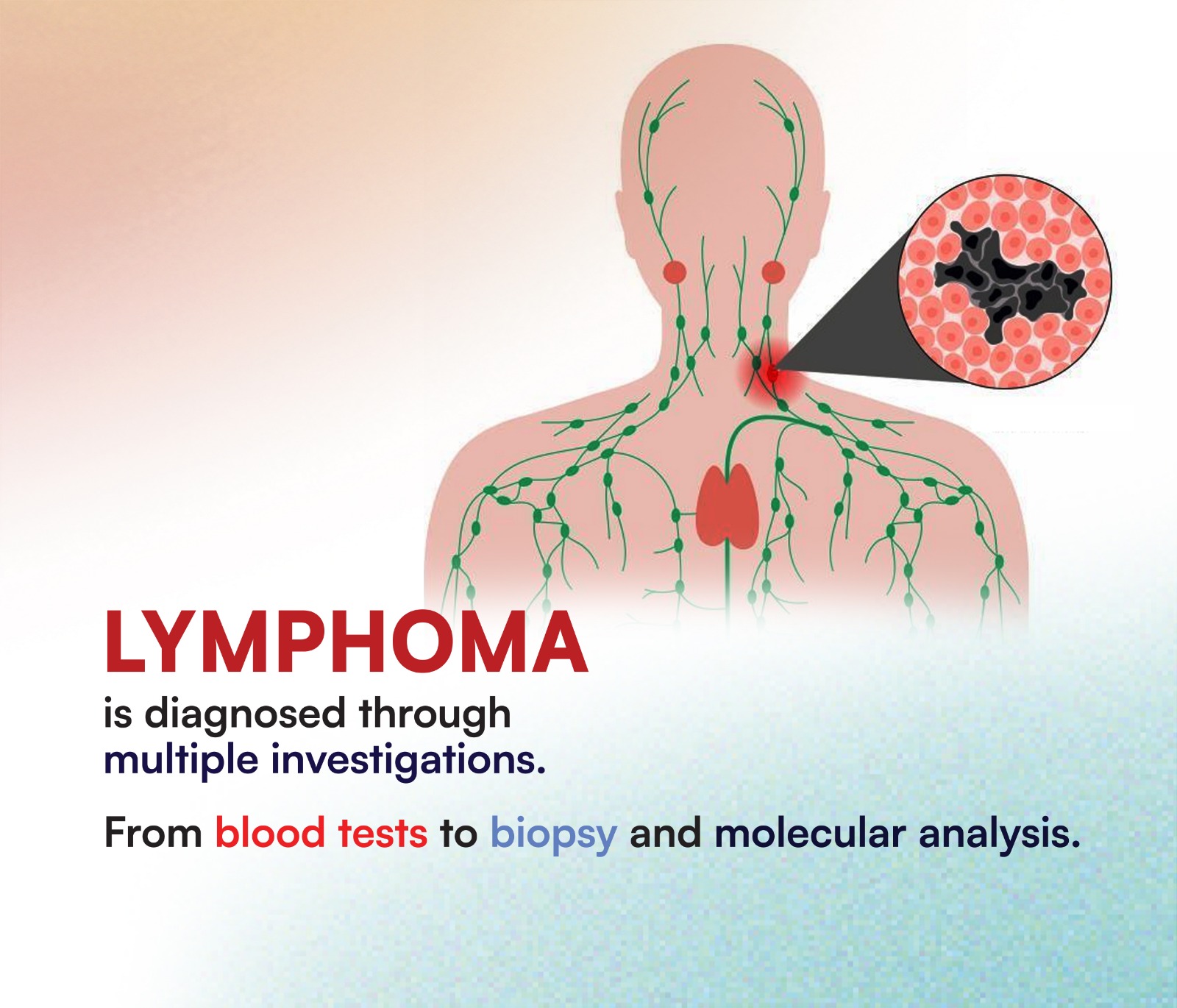
Lymphoma is a type of blood cancer that affects the lymphatic system, an important part of our body’s immune system. It develops when abnormal lymphocytes, a type of white blood cell, start growing uncontrollably.
Lymphoma accounts for a significant portion of the global cancer burden, and its incidence is increasing. Early detection and accurate diagnosis play an important role in deciding the right treatment approach.
What is Lymphoma?
The lymphatic system consists of lymph nodes, spleen, thymus, and bone marrow. It plays a crucial role in protecting the body against infections and diseases.
When genetic changes occur in lymphocytes, these cells may multiply abnormally and form tumors in lymph nodes or other parts of the lymphatic system. This condition is known as lymphoma.
There are two main types of lymphoma:
Hodgkin Lymphoma (HL)
Hodgkin lymphoma is characterized by the presence of abnormal cells called Reed-Sternberg cells. Although it is less common, many cases respond well to treatment.
Non-Hodgkin Lymphoma (NHL)
Non-Hodgkin lymphoma includes a broad group of lymphomas with many different subtypes, including B-cell and T-cell lymphomas. The behavior and treatment of NHL depend on the specific subtype.
What Causes Lymphoma?
The exact cause of lymphoma is not always known. However, certain factors may increase the risk, including:
Age: Lymphoma can occur at any age, but some types are more common in older adults.
Sex: Lymphoma is slightly more common in males.
Immune system problems: Conditions or medications that weaken the immune system may increase the risk.
Infections: Certain infections, including Epstein-Barr virus and Helicobacter pylori, have been linked with some forms of lymphoma.
Genetic and environmental factors: Certain genetic conditions and exposure to chemicals or radiation may also contribute to risk.
Symptoms of Lymphoma
The symptoms of lymphoma may vary depending on the type and stage of the disease.
Common lymphoma symptoms include:
Swollen lymph nodes, especially in the neck, armpits, or groin
Persistent fever without a clear cause
Night sweats
Unexplained weight loss
Persistent fatigue
Recurrent infections
These symptoms can also occur due to many other conditions. Proper medical evaluation is necessary to identify the actual cause.
How is Lymphoma Diagnosed?
Lymphoma diagnosis requires multiple investigations. A single test is usually not enough because identifying the exact type of lymphoma is important for selecting the right treatment.
Complete Blood Count (CBC)
A CBC blood test evaluates different blood cells, including white blood cells, red blood cells, and platelets.
It helps doctors assess whether lymphoma or related blood disorders are affecting normal blood cell production.
Blood Tests and Serum Markers
Additional blood tests may be performed to evaluate overall health and disease activity.
Serum LDH (Lactate Dehydrogenase) is an important marker that may provide information about the extent of cell damage and can help assess prognosis and monitor treatment response.
Liver and kidney function tests are also performed to understand the overall condition of the patient.
Fine Needle Aspiration Cytology (FNAC)
FNAC involves using a thin needle to collect cells from an enlarged lymph node.
The collected sample is examined under a microscope to look for abnormal cells.
Lymph Node Biopsy and Histopathology
A lymph node biopsy is one of the most important tests for confirming lymphoma.
In this procedure, a lymph node sample is processed and examined by a pathologist to identify lymphoma cells and determine the type of lymphoma.
Immunohistochemistry (IHC)
Different lymphoma subtypes have different markers on their cells.
Immunohistochemistry uses specific antibodies to identify these markers and helps differentiate between different types of lymphoma.
Flow Cytometry
Flow cytometry is an advanced laboratory test used to analyze cells based on their characteristics.
It helps identify whether lymphoma cells are present in blood or bone marrow and helps classify the lymphoma into different subtypes, such as B-cell or T-cell lymphoma.
Cytogenetic and Molecular Testing
Some lymphomas have specific genetic changes that are important for diagnosis and treatment planning.
Cytogenetic tests, including FISH and karyotyping, detect chromosomal abnormalities associated with certain lymphomas.
Molecular tests using techniques like PCR and Next Generation Sequencing (NGS) help identify genetic mutations that may influence treatment decisions.
PET CT and Other Investigations
Imaging tests such as PET CT help determine how extensively lymphoma has spread in the body and assist in staging the disease.
Other tests, including bone marrow examination and additional blood investigations, may be recommended depending on the case.
Lymphoma Diagnosis at National Path Lab
Accurate diagnosis is the first step toward effective lymphoma management.
National Path Lab provides advanced diagnostic investigations required for lymphoma evaluation, including:
Complete Blood Count (CBC)
Histopathology
Immunohistochemistry (IHC)
Flow Cytometry
Cytogenetic testing
Molecular testing
Next Generation Sequencing (NGS)
With advanced molecular pathology capabilities, specialized laboratory infrastructure, and experienced pathologists and scientists, National Path Lab supports doctors and patients in obtaining accurate diagnostic information for better treatment planning.
Treatment of Lymphoma
Treatment depends on the type, stage, and characteristics of lymphoma.
Common treatment approaches include:
Chemotherapy
Radiation therapy
Targeted therapy
Immunotherapy
Advances in diagnostic techniques have improved the ability to classify lymphoma accurately and guide personalized treatment.
Final Thoughts
Lymphoma is a serious condition, but timely diagnosis can make a significant difference.
Symptoms such as unexplained swelling of lymph nodes, persistent fever, night sweats, weight loss, or fatigue should not be ignored.
With proper evaluation and advanced diagnostic testing, lymphoma can be identified accurately, helping doctors choose the most suitable treatment approach.