
How to Detect Down Syndrome Before Birth
3 months ago
Once a woman becomes pregnant, one question naturally comes to mind again and again:
“Is my baby healthy?”
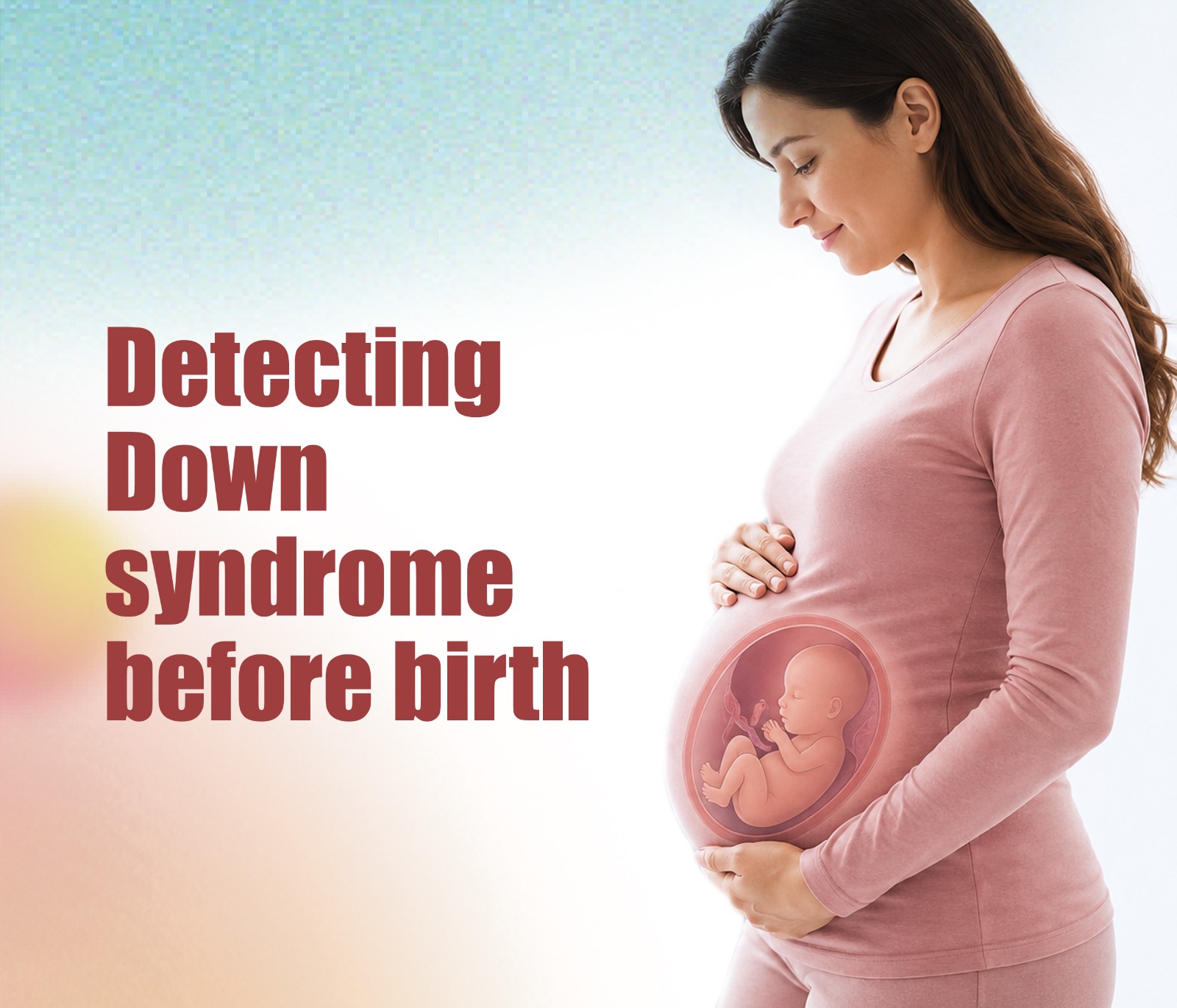
Today, medical technology has advanced to a point where certain chromosomal conditions can be screened during pregnancy itself, often early enough to help doctors and families prepare ahead of time.
One of the most important conditions doctors look for during pregnancy is Down syndrome.
What is Down Syndrome?
Down syndrome is a chromosomal condition caused by an extra copy of chromosome 21, also called Trisomy 21.
Children with Down syndrome may experience:
Delayed mental and physical development
Learning difficulties
Delayed speech
Low muscle tone or muscle weakness
Congenital heart defects in some cases
The severity varies from child to child. With proper medical care, therapy, education, and family support, many individuals with Down syndrome can live meaningful and productive lives.
Can Down Syndrome Be Detected During Pregnancy?
Yes.
Today, several prenatal screening tests can help estimate the risk of Down syndrome before birth.
These are called screening tests because they do not confirm the condition directly. Instead, they help determine whether the pregnancy falls into a low-risk or high-risk category.
If the screening result shows a higher risk, doctors may recommend further diagnostic testing.
Which Tests Help Detect Down Syndrome During Pregnancy?
Dual Marker Test
The Dual Market Test is one of the most commonly recommended first-trimester screening tests.
It is usually performed between:
11 weeks
and13 weeks 6 days of pregnancy
This screening combines:
A blood sample from the mother
Ultrasound findings, especially the NT Scan (Nuchal Translucency scan)
The blood test measures two important markers:
Free Beta-hCG
PAPP-A
These values are analyzed together with:
Maternal age
Weight
Pregnancy details
Ultrasound measurements
The test helps estimate the risk of:
Down syndrome (Trisomy 21)
Edwards syndrome (Trisomy 18)
Patau syndrome (Trisomy 13)
If the report shows low risk, there is usually no major cause for concern. If the report shows high risk, additional testing may be advised.
Quadruple Marker Test
If first-trimester screening was not performed, doctors may advise the during the second trimester.
This test is generally performed between:
15 and 22 weeks of pregnancy
It measures four substances in the mother’s blood:
AFP (Alpha-fetoprotein)
hCG
Estriol
Inhibin A
The test helps assess the risk of:
Down syndrome
Neural tube defects
Certain chromosomal abnormalities
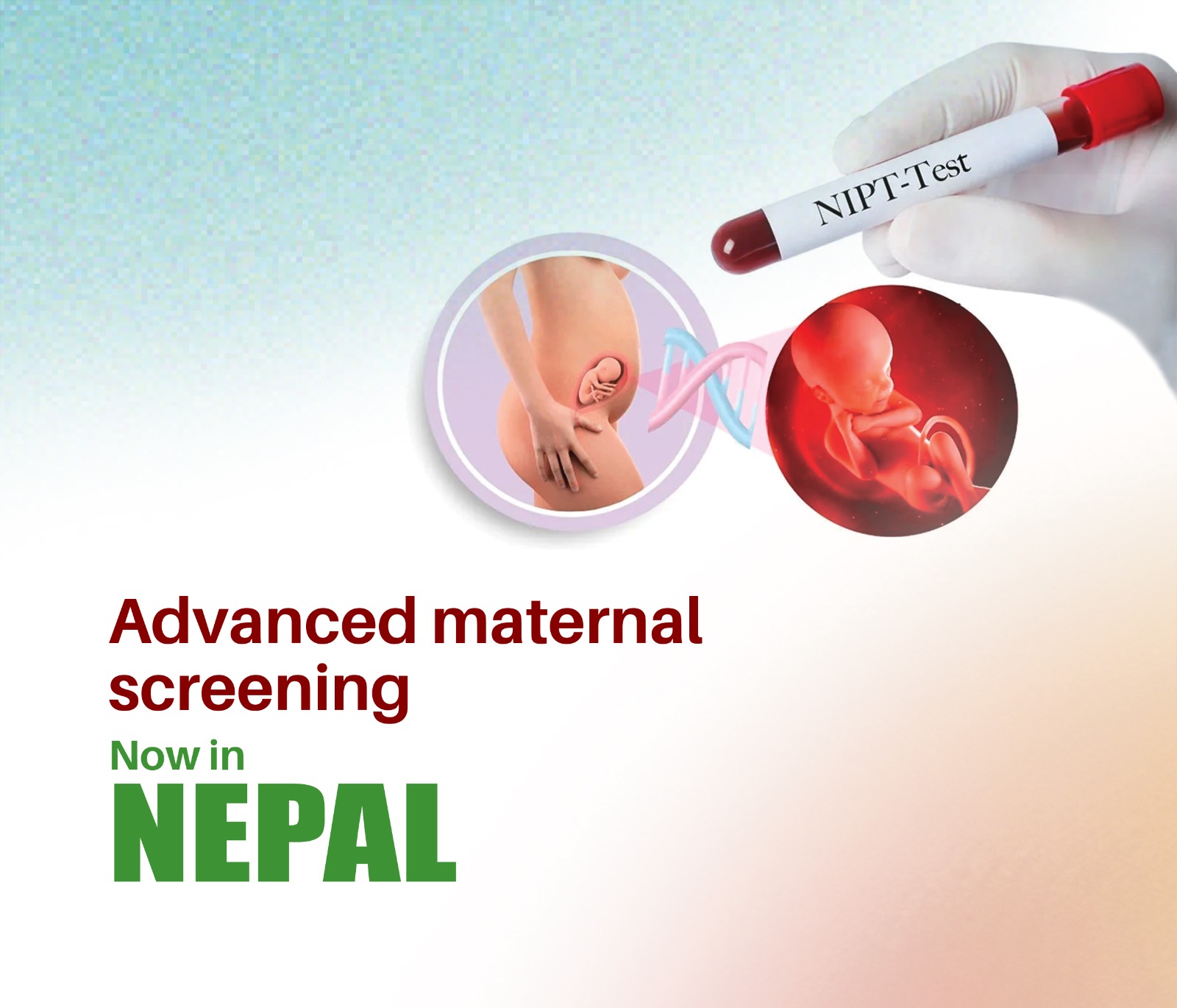
NIPT (Non-Invasive Prenatal Testing)
NIPT is one of the most advanced prenatal screening tests available today.
This test analyzes small fragments of fetal DNA present in the mother’s blood.
NIPT can screen for:
Down syndrome
Trisomy 18
Trisomy 13
Certain sex chromosome abnormalities
The test is non-invasive, meaning it only requires a blood sample from the mother and does not harm the baby.
NIPT may be especially recommended if:
The mother is above 35 years of age
Previous pregnancies had chromosomal abnormalities
Ultrasound findings appear suspicious
Dual Marker or Quadruple Marker tests show high risk
Are These Tests Confirmatory?
No.
This is an important point many families misunderstand.
Dual Marker, Quadruple Marker, and NIPT are screening tests, not final diagnostic tests.
They estimate risk, but they do not provide a definitive diagnosis.
If a screening report shows high risk, doctors may recommend confirmatory tests such as:
Amniocentesis
Chorionic Villus Sampling (CVS)
These tests directly analyze fetal chromosomes and can confirm the diagnosis more accurately.
Why is Early Screening Important?
Early screening helps:
Detect potential risks early in pregnancy
Guide further medical decisions
Plan pregnancy care more effectively
Reduce uncertainty for families
Allow closer monitoring when necessary
Timely screening also gives families and doctors more time to understand the situation and decide on the next steps.
Prenatal Screening at National Path Lab
At National Path Lab, advanced prenatal screening services are available, including:
Dual Marker Test
Quadruple Marker Test
NIPT
Hormonal and genetic screening tests
Our focus is on accurate reporting, advanced diagnostics, and reliable testing support for doctors and families across Nepal.
Under the risks before it is too late
Modern prenatal screening has made it possible to assess the risk of chromosomal conditions such as Down syndrome before birth.
Tests like the Dual Marker Test, Quadruple Marker Test, and NIPT help doctors identify pregnancies that may require closer monitoring or further testing.
If you are pregnant, consult your doctor about which screening test may be appropriate for your stage of pregnancy.