
Making Newborn Screening Universal in Nepal
3 months ago
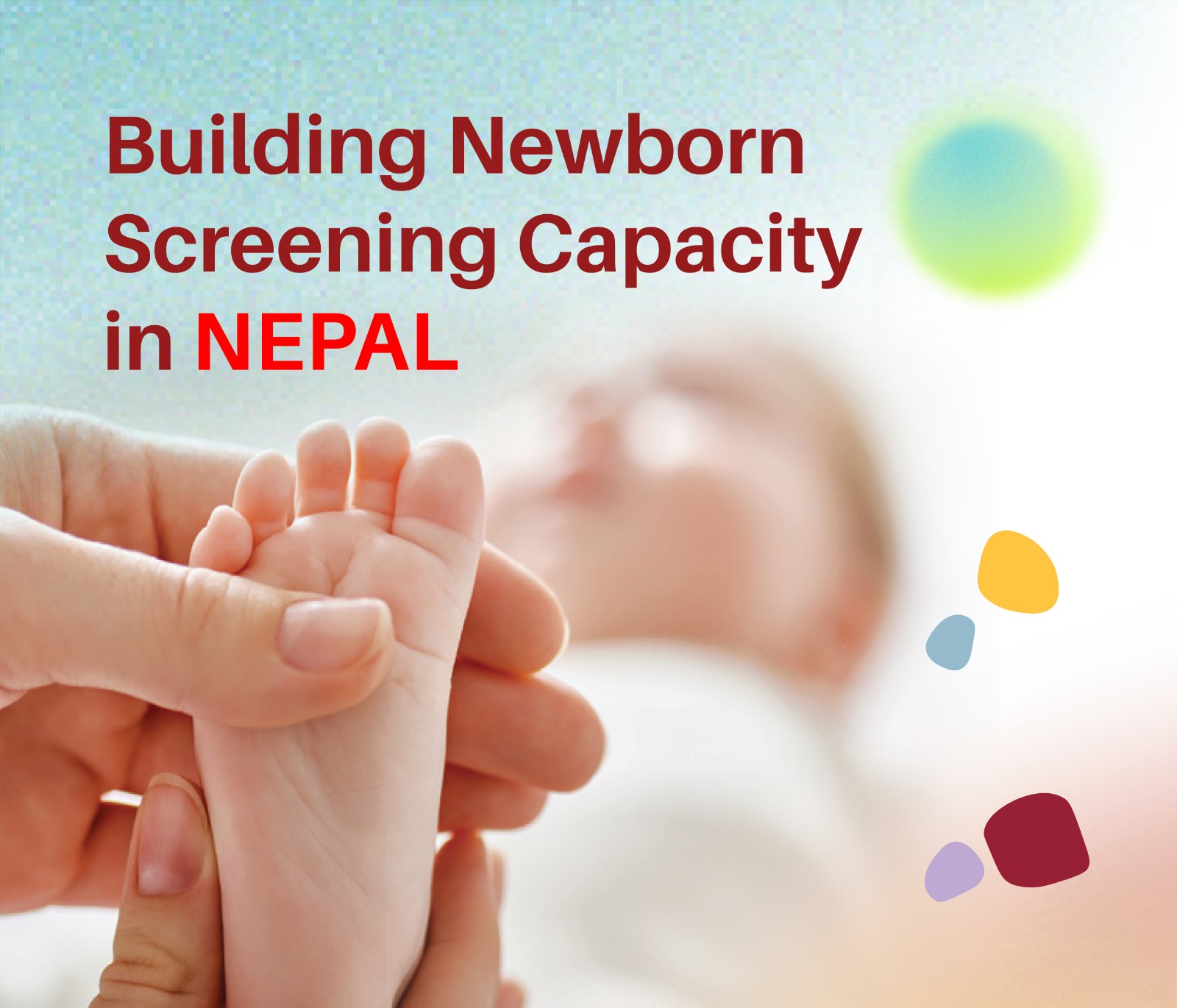
Newborn Screening (NBS) is a public health program that helps identify certain serious but treatable genetic, metabolic, endocrine, and enzymatic conditions in newborn babies shortly after birth.
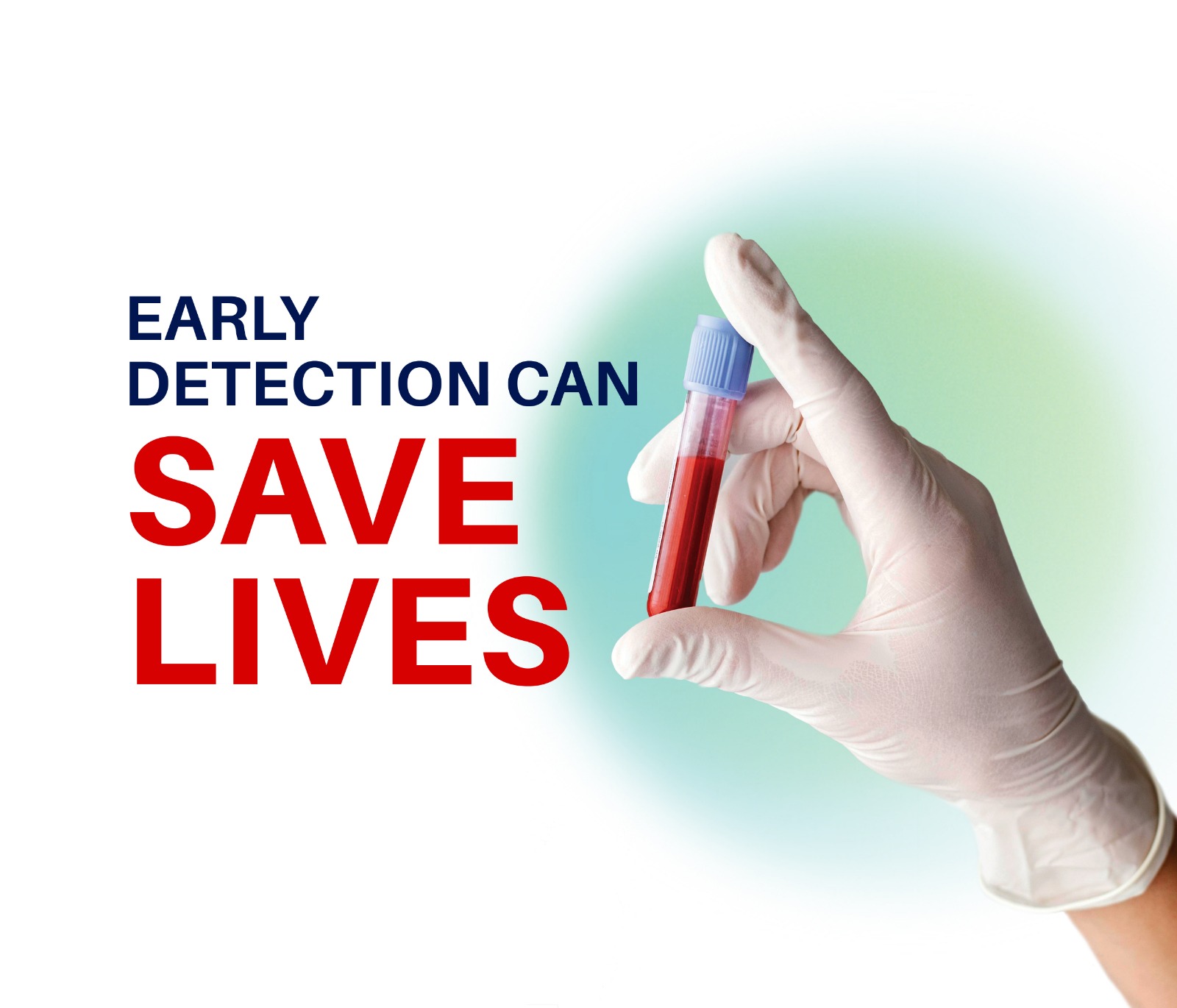
A few drops of blood are collected from a baby, usually through a heel prick, and tested for specific conditions that may not show symptoms at birth but can lead to severe disability, developmental delay, or even death if left untreated.
In many developed countries, newborn screening has been a routine practice for decades. Early detection allows timely intervention, often with simple treatments such as dietary modification, medications, or hormone replacement, helping affected children grow and develop normally.

Heel Prick Test
In Nepal, however, such screening was not widely available for many years. Babies with conditions like Congenital Hypothyroidism (CH), Phenylketonuria (PKU), Congenital Adrenal Hyperplasia (CAH), or G6PD deficiency could remain undiagnosed until symptoms appeared or until they visited hospitals after irreversible complications had developed.
Many children suffered from preventable intellectual disability, life-threatening metabolic crises, or unexplained neonatal complications.
Recognizing this gap, clinicians, public health professionals, and policymakers began advocating for the introduction of newborn screening in Nepal, with the aim of detecting treatable conditions early and giving every child the chance for a healthy life.
Starting the Newborn Screening Program in Nepal
The newborn screening program began with a pilot program at Paropakar Maternity and Women’s Hospital (PMWH) in Kathmandu, where the country’s highest number of deliveries take place.
Starting with a limited panel of conditions, the program aimed to test the feasibility of introducing newborn screening within the Nepalese healthcare system.
The initiative soon expanded through collaborative efforts across institutions, and samples are now being received from selected hospitals. Seti Provincial Hospital and National Path Lab, in collaboration with Kathmandu Institute of Child Health (KIOCH), have also begun initiating newborn screening services.
These collaborations mark an important step toward decentralizing screening services and making them accessible beyond the capital.
The success of this initiative has been made possible through strong institutional and international support. The Ministry of Health and Population (MOHP), hospital administration, and leadership teams have played a significant role in recognizing the importance of newborn screening and supporting the development of this program.
The guidance from global experts in newborn screening, including Prof. Bradford Therrell, Prof. Carmencita Padilla, Dr. Seema Kapoor, and Marika Kase, has provided invaluable mentorship, technical expertise, and encouragement.
Their support has helped shape the program through knowledge sharing, guidance, and advocacy with concerned stakeholders, ensuring that the system is built on strong scientific and operational foundations.
Trustworthiness and Capacity of Testing in Nepal

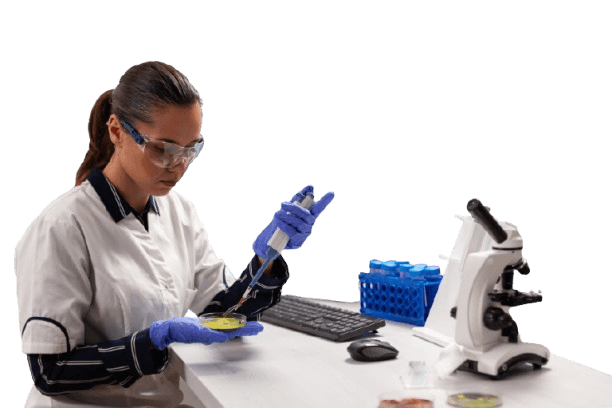
Confirmatory Testing at National Path Lab
In earlier years, dried blood samples for metabolic disorders were sent abroad, often to laboratories in India, causing delays and increasing costs for families.
Today, the situation is changing significantly. Through the pilot program and collaborative efforts, more than 8,000 newborn screening tests have already been conducted within Nepal.
This represents a major milestone in building national diagnostic capacity.
Through these screenings, babies with abnormal results have been identified for seven different conditions, allowing early evaluation and intervention.
Importantly, confirmatory testing is also gradually becoming available within the country. Several laboratories, particularly National Path Lab, have provided crucial support in performing confirmatory diagnostic tests, reducing the need for international referrals.
This growing local capacity increases trust in the system and demonstrates that reliable newborn screening can be implemented within Nepal’s healthcare infrastructure.
Challenges Faced During Implementation
Despite the progress, implementing newborn screening in Nepal has not been without challenges.
One of the biggest challenges has been educating parents about the importance of newborn screening. Since many screened conditions do not show symptoms at birth, some parents find it difficult to understand why testing is necessary.
A common response is, “My baby looks perfectly fine, so why is the test needed?”
As a result, some parents initially decline screening.
Another major barrier is the financial burden. The cumulative cost of newborn screening, especially when confirmatory testing is required, can be difficult for many families to bear.
Sustainable funding models and government support will be essential to ensure equitable access.
Ensuring timely follow-up for babies with abnormal screening results has also been an operational challenge. Families living far from testing centers, those who change contact numbers, or those facing financial difficulties may have challenges returning for confirmatory testing and treatment.
These challenges highlight the need for stronger public awareness, improved health system coordination, and sustainable financial mechanisms.
Follow-Up and Care of Diagnosed Patients
Despite the challenges, the program has successfully identified and followed up several babies with confirmed conditions.
Most of the confirmed cases detected so far include G6PD deficiency, Congenital Adrenal Hyperplasia (CAH), Phenylketonuria (PKU), and Congenital Hypothyroidism (CH).
Once identified, these children are closely monitored and managed with appropriate medical care, dietary management, or hormone replacement therapy as necessary.
Parents of affected babies are being supported and counseled to ensure long-term follow-up and adherence to treatment.
Early detection through screening has already prevented potential complications and significantly improved outcomes for these babies.
The Way Forward: Making Newborn Screening Universal in Nepal

Newborn Screening Interaction Program
While the progress made so far is encouraging, it represents only the beginning of Nepal’s newborn screening journey.
The ultimate goal is to make newborn screening universal, ensuring that every baby born in Nepal has access to early detection and life-saving interventions.
Paropakar Maternity and Women’s Hospital is currently working closely with the Family Welfare Division (FWD) and the Ministry of Health and Population (MOHP) to develop national guidelines and standardized protocols for newborn screening implementation.
These guidelines will help integrate screening into routine maternal and child health services and support expansion across provinces.
However, achieving universal newborn screening will require strong advocacy.
Healthcare professionals, pediatricians, neonatologists, obstetricians, policymakers, and public health advocates must continue to emphasize its importance.
Every newborn deserves the opportunity for a healthy start in life.
By prioritizing newborn screening at the national and provincial levels, Nepal can prevent avoidable disabilities, reduce infant morbidity and mortality, and ensure that no child is left behind simply because a treatable condition went undetected.
Dr. Prajwal Poudel, Associate Professor at NAMS, has been a strong advocate for the development and expansion of Newborn Screening in Nepal.