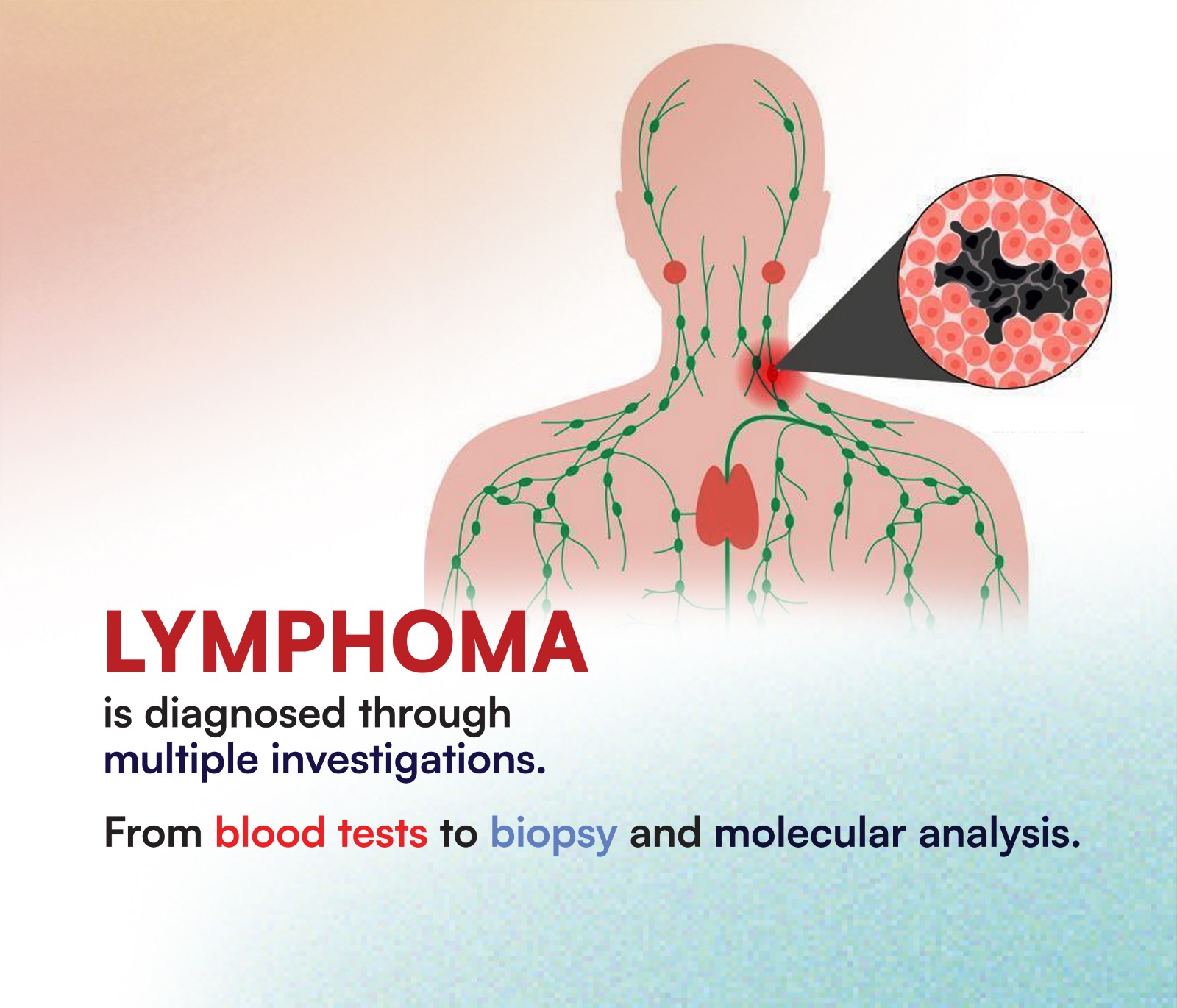

How Is Leukemia Diagnosed? Symptoms, Tests, and Treatment Options
3 months ago
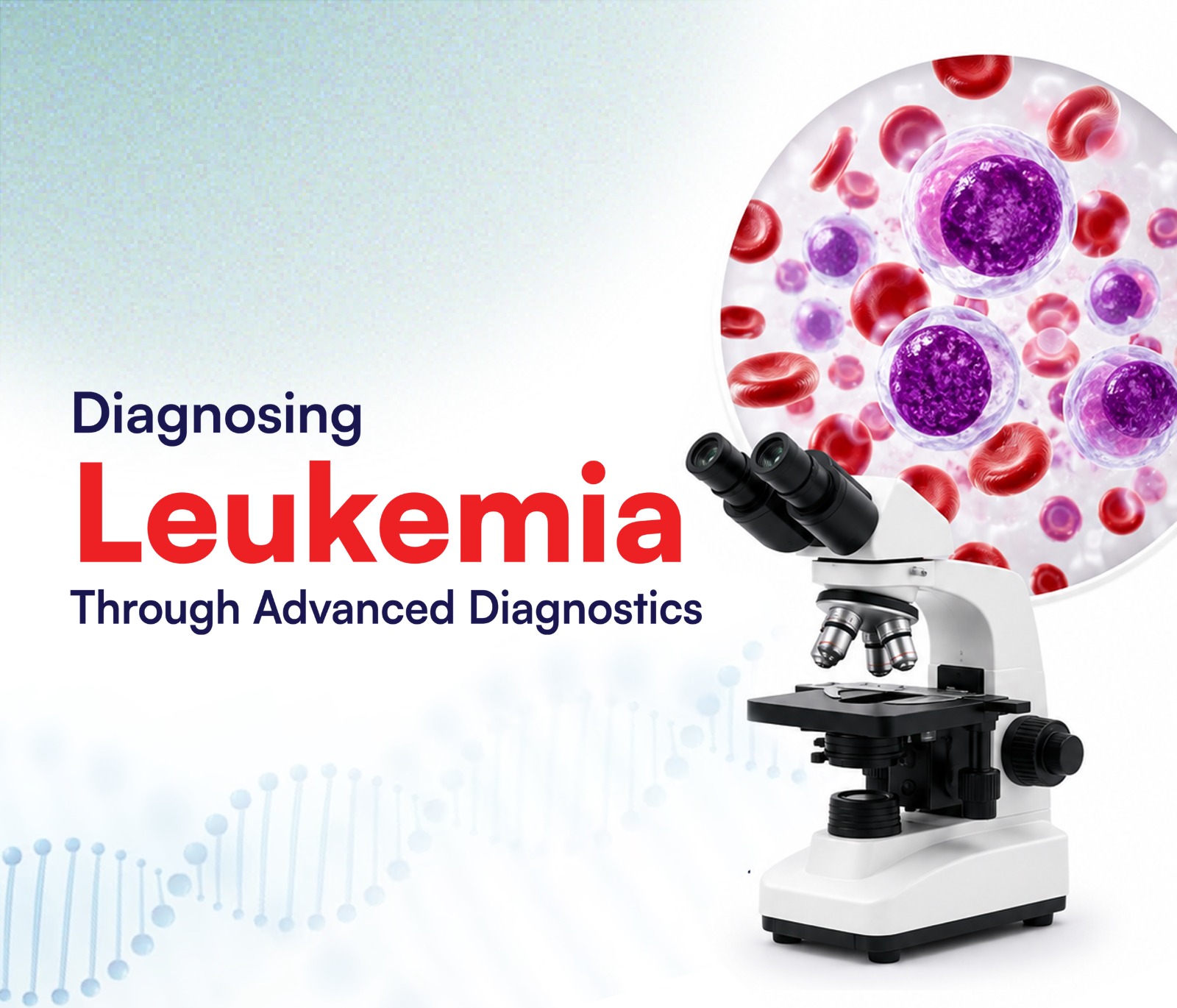
Leukemia, commonly known as blood cancer, is a type of cancer that starts in the blood-forming tissues, primarily the bone marrow. It causes the uncontrolled production of abnormal white blood cells, which do not function properly and can interfere with the production of normal blood cells.
The incidence of leukemia has been increasing worldwide, making awareness and early diagnosis important. Since leukemia can present with symptoms that may overlap with other common conditions, proper evaluation through blood tests and advanced diagnostic investigations plays a crucial role in identifying the disease.
In this blog, we will discuss what leukemia is, common blood cancer symptoms, the diagnostic process, and the role of laboratory testing in leukemia detection and management.
What is Leukemia?
Leukemia is a cancer of the blood and bone marrow, characterized by the abnormal production of white blood cells.
Normally, the bone marrow produces healthy blood cells that help fight infections, carry oxygen, and control bleeding. In leukemia, abnormal cells multiply uncontrollably and can crowd out healthy blood cells.
Leukemia can be:
Acute, where the disease progresses quickly
Chronic, where the disease progresses more slowly
Based on the type of blood cell affected, leukemia is mainly classified into four types:
Acute Lymphoblastic Leukemia (ALL)
Acute Myeloid Leukemia (AML)
Chronic Lymphocytic Leukemia (CLL)
Chronic Myeloid Leukemia (CML)
Each type behaves differently and requires specific diagnosis and treatment planning.
What Causes Leukemia?
The exact cause of leukemia is not always known. However, several factors may increase the risk.
Some known risk factors include:
Age:
Leukemia can occur at different ages. ALL is more common in children, while CLL is commonly seen in older adults. AML and CML are more common in adults.
Genetic factors:
Certain genetic conditions such as Down syndrome and Fanconi anemia, along with a family history of leukemia, may increase risk.
Environmental factors:
Exposure to radiation, toxic chemicals such as benzene, certain pesticides and insecticides, tobacco smoking, and previous chemotherapy may be associated with increased risk.
Blood Cancer Symptoms: Signs to Watch For
The symptoms of leukemia can vary depending on the type and progression of the disease.
Common blood cancer symptoms include:
Persistent fatigue and weakness
Frequent infections
Easy bruising or bleeding
Bone and joint pain
Swollen lymph nodes
Unexplained weight loss
Fever
These symptoms do not always mean a person has leukemia, but if they persist, medical evaluation and appropriate blood tests may be required.
How is Leukemia Diagnosed?
Leukemia diagnosis involves multiple laboratory investigations. A single test is usually not enough to confirm leukemia. Doctors use different tests together to identify the type of leukemia and plan appropriate treatment.
Complete Blood Count (CBC) Test
A Complete Blood Count (CBC) is usually one of the first blood tests performed when leukemia is suspected.
The test measures:
White blood cells
Red blood cells
Platelets
In leukemia, CBC may show abnormalities such as increased or abnormal white blood cells, anemia, or low platelet count.
A CBC test is widely available and is often an important starting point in leukemia evaluation.
Peripheral Blood Smear
In this test, a pathologist examines blood cells under a microscope.
The size, shape, and appearance of blood cells help identify abnormal or immature white blood cells called blasts, which may suggest leukemia.
Bone Marrow Aspiration and Biopsy
Bone marrow is where blood cells are produced.
During this test, a small sample of bone marrow is collected and examined to confirm leukemia and determine its type.
Flow Cytometry
Flow cytometry is an advanced laboratory technique used to identify specific markers on leukemia cells.
It helps differentiate between different types of leukemia, including ALL and AML, and provides important information for treatment planning.
Cytogenetic and Molecular Testing
Modern leukemia diagnosis often requires genetic testing.
Cytogenetic analysis identifies chromosomal changes associated with certain leukemia types.
Molecular tests detect specific genetic changes, such as mutations associated with diseases like CML and AML.
These tests help doctors understand the disease more precisely and choose targeted treatment approaches.
Leukemia Testing at National Path Lab
Accurate diagnosis is the foundation of effective leukemia management.
National Path Lab (NPL) provides advanced diagnostic services for leukemia evaluation through its specialized laboratory facilities.
Established in 2013 AD in Butwal, National Path Lab is one of Nepal’s leading standalone diagnostic laboratory networks. NPL is a NABL-accredited and NPHL Category A laboratory providing reliable diagnostic services across Nepal.
Through its Central Reference Laboratory in Maharajgunj, Kathmandu, NPL offers advanced diagnostic capabilities including:
Complete Blood Count (CBC)
Peripheral blood smear examination
Flow cytometry
Cytogenetic testing
Molecular diagnostics
Next Generation Sequencing (NGS)
With specialized expertise in Cytogenetics, Molecular Pathology, and Flow Cytometry, NPL supports doctors and patients with accurate laboratory information required for leukemia diagnosis and treatment decisions.
Blood Cancer Treatment and the Role of Diagnosis
Once leukemia is confirmed, treatment depends on the type, stage, and genetic characteristics of the disease.
Treatment options may include:
Chemotherapy
Targeted therapy
Radiation therapy
Stem cell transplantation
Accurate diagnosis helps doctors select the most suitable treatment approach. Advanced diagnostic techniques have improved leukemia care by allowing more personalized treatment decisions.
Conclusion
Leukemia is a serious blood disorder, but early detection and accurate diagnosis can make a significant difference in management.
Blood tests such as CBC, along with advanced investigations like flow cytometry, cytogenetic analysis, and molecular testing, help doctors understand the disease better.
If you experience persistent symptoms such as unexplained fatigue, frequent infections, unusual bleeding, or weight loss, consult a healthcare professional and consider appropriate diagnostic evaluation.
Behind every accurate diagnosis is a careful examination of blood cells, genetic information, and laboratory findings that help guide the right treatment path.