
Diabetes Testing: Which Blood Test Do You Need?
1 month ago
Diabetes Testing: Which Blood Test Do You Need?
You can feel completely fine and still have diabetes.
That is one of the reasons diabetes can go unnoticed for years. Prediabetes and Type 2 diabetes often do not cause obvious symptoms, so waiting until you feel unwell is not always the best way to find out what is happening with your blood sugar.
A simple blood test can tell you much more.
What is diabetes?
Glucose, commonly called blood sugar, is one of the body's main sources of energy. Insulin helps move glucose from the bloodstream into the body's cells, where it can be used for energy.
When the body does not produce enough insulin or does not use it properly, blood glucose can rise. Over time, persistently high blood sugar can lead to Type 2 diabetes.
Before diabetes develops, blood sugar may already be higher than normal. This stage is called prediabetes.
The important part is that prediabetes is not the same as diabetes, and finding it early gives you an opportunity to take action.
Why should you get tested?
Because symptoms are not always there.
Someone with prediabetes or Type 2 diabetes may not notice anything unusual. This is why people with diabetes risk factors may be advised to get screened even when they feel healthy.
Your doctor may recommend testing if you have factors such as:
A family history of Type 2 diabetes
Overweight or obesity
Low levels of physical activity
Previous gestational diabetes
Polycystic ovary syndrome
Increasing age or other risk factors identified by your doctor
Current American Diabetes Association guidance recommends screening for diabetes and prediabetes beginning at age 35 for people without other indications for earlier screening, with earlier or more frequent testing depending on risk.
Which diabetes test should you take?
There is no single blood sugar test that tells the whole story in every situation. Different tests measure blood glucose in different ways.
Fasting Blood Glucose
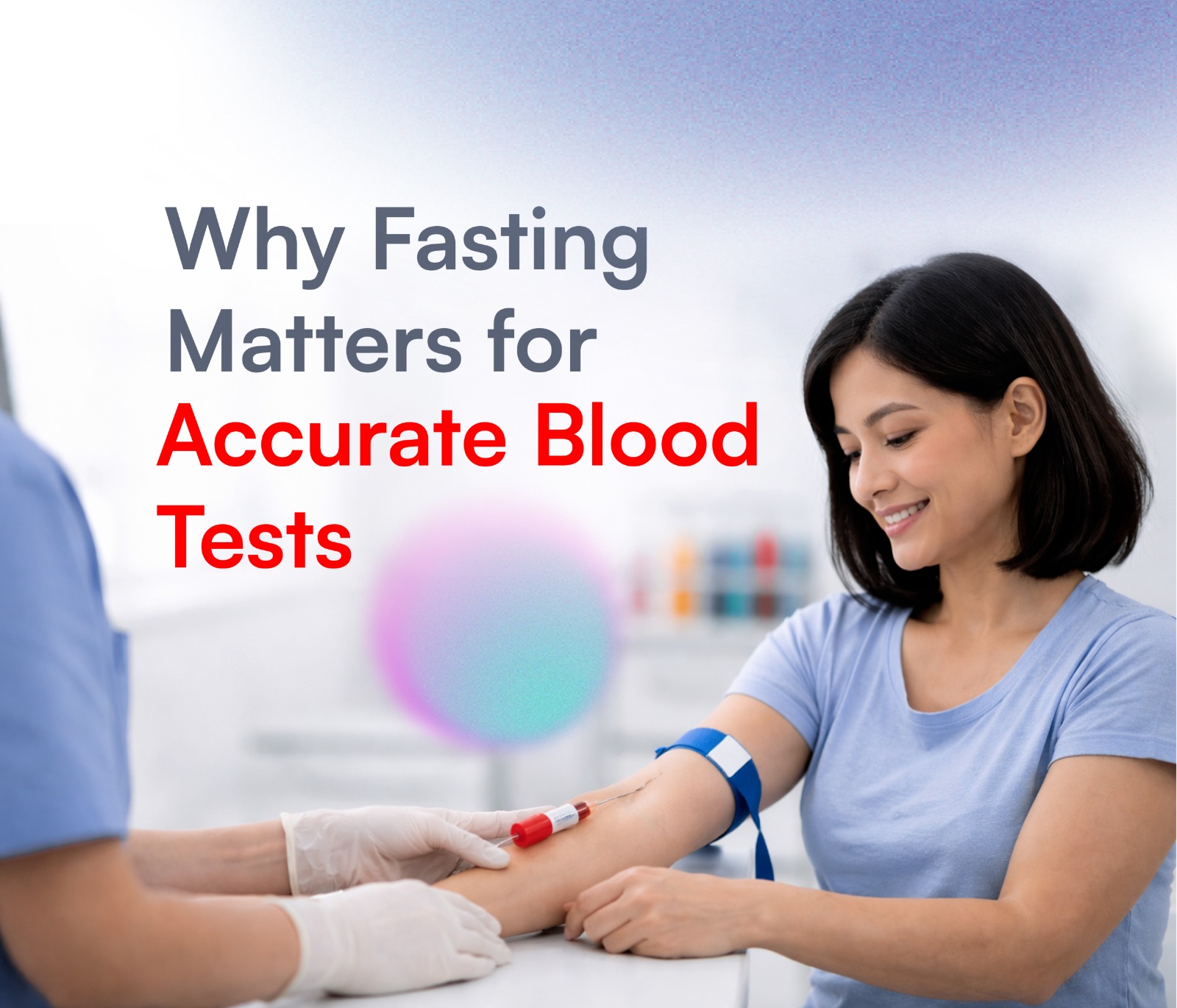
This measures your blood glucose after fasting, usually for at least 8 hours.
For non-pregnant adults:
Normal: Below 100 mg/dL
Prediabetes: 100 to 125 mg/dL
Diabetes: 126 mg/dL or above
An abnormal result may need to be confirmed with repeat or additional testing, particularly when there are no clear symptoms of high blood sugar.
HbA1c
HbA1c gives a different view of your blood sugar.
Instead of measuring your glucose at one particular moment, it reflects your average blood glucose over roughly the previous 2 to 3 months.
You also do not need to fast specifically for an HbA1c test.
The commonly used ranges are:
Normal: Below 5.7%
Prediabetes: 5.7% to 6.4%
Diabetes: 6.5% or above
HbA1c is particularly useful when you want to understand your longer-term blood sugar rather than just your level on the morning of the test.
However, HbA1c is not appropriate in every situation.
Conditions that affect red blood cells or hemoglobin, for example, can affect its accuracy. Your doctor may choose a plasma glucose test instead when appropriate.
Oral Glucose Tolerance Test
An oral glucose tolerance test, or OGTT, measures your blood glucose before and after you drink a glucose-containing solution.
At two hours:
Normal: 140 mg/dL or below
Prediabetes: 140 to 199 mg/dL
Diabetes: 200 mg/dL or above
This test is used in specific clinical situations and is also an important test for diagnosing gestational diabetes.
Random Blood Glucose
As the name suggests, this test can be performed at any time without fasting.
A random plasma glucose of 200 mg/dL or above, together with classic symptoms of hyperglycemia or a hyperglycemic crisis, can meet the diagnostic criteria for diabetes.
So, which test is right for you?
That depends on why you are being tested.
For routine screening of Type 2 diabetes and prediabetes, Fasting Plasma Glucose and HbA1c are commonly used options. An OGTT may be appropriate in particular situations, while random blood glucose can be useful when someone has symptoms of high blood sugar.
And one abnormal result does not always mean you have diabetes.
When there is no unequivocal hyperglycemia, the diagnosis generally requires confirmation with repeat or additional testing.
Your doctor should interpret the result in the context of your symptoms, medical history and other findings.
Don't wait for symptoms to tell you
Diabetes does not always announce itself.
You may feel normal. You may be going about your daily routine. And your blood sugar may already be outside the healthy range.
That is why screening matters.
If you have risk factors for diabetes, talk to your doctor about whether you should be tested. Finding prediabetes early can give you the opportunity to take steps that may prevent or delay Type 2 diabetes. Finding diabetes early also allows you and your healthcare team to begin managing it before complications develop.
Why National Path Lab?
At National Path Lab, diabetes testing is part of a broader approach to preventive and diagnostic healthcare.
As an NPHL-approved Category 'A' laboratory and NABL-accredited laboratory, NPL provides access to routine and specialized diagnostic testing through experienced laboratory professionals and a nationwide collection network.
Whether you are coming in for routine screening or testing recommended by your doctor, our goal is simple: reliable laboratory information that helps you and your doctor make informed decisions about your health.
And with NPL Home Collection Service, getting your blood sample collected can be as convenient as doing it from home.
Know your numbers. Know where your health stands.
If you have not checked your blood sugar recently, talk to your doctor about the right test for you and visit your nearest National Path Lab branch or book a home collection.